ADHD is a lasting difference in how attention and action are managed. In daily life, it can affect starting, stopping, remembering, planning and tracking time. It is not a lack of intelligence or care.
What’s ADHD in One Paragraph?
ADHD can make attention feel hard to direct on purpose. A dull task may be difficult to begin. An interesting task may hold focus long after you meant to stop. Plans can be clear, yet the next action still slips away.
That is why everyday support often makes work visible. A written next step, a clear home for keys or an outside reminder can reduce the load. The aim is not perfect focus. It is a clearer path back.
For the name itself, read what ADHD stands for. For a wider overview, start with ADHD basics.
Does It Mean I Can’t Focus?
No. The issue is often control over where focus goes. Interest, urgency, novelty and the setting can change how easy a task feels to hold.
 Make the next action visible instead of holding it in memory.
- Reduce nearby choices when one task needs attention.
- Leave a restart note before you stop.
The ADHD focus hub explains these patterns in practical terms.
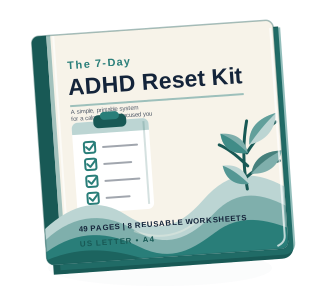
Want the short version? The 7-Day ADHD Reset Kit
Seven days, one small step each day. A printable PDF kit for adults who want their week to feel less like a fight.
PRINTABLE PDF KIT · LIMITED TIME OFFER
ADHD in Adults and Children
The setting changes as people grow. School bags and homework may become inboxes, bills, meetings and household tasks. The daily demands change, but attention, planning and follow-through still matter.
Adults may build strong workarounds over time. Calendars, routines and chosen environments can make struggles less visible. Read adult ADHD for the practical adult-life picture.
Where to Go Next
Choose the question closest to your day. Read what ADHD means for everyday language. Explore executive function for planning and follow-through. Visit ADHD routines for repeatable support.
KEEP IT SIMPLE
Pick one deeper page, not every link. Start where today’s friction is clearest.