Adult ADHD can affect how you direct attention, begin tasks, hold plans, and follow through. Daily friction may show up at work, at home, with money, or around time. It is not a measure of effort or ability.
What Adult ADHD Looks Like in Daily Life
The day may begin with a clear plan. Then an urgent message changes the order. A small interruption leads elsewhere, and the original task slips out of view.
At home, you may carry several unfinished jobs at once. Laundry waits beside a form that needs sending. A bill is safe in a special place, but that place is now hard to remember.
The common thread is often unreliable access to a plan. You may know what matters and still struggle to bring it forward at the right moment.
 Important work can stay invisible until urgency arrives.
- Small tasks can feel large when their first step is unclear.
- Interesting work may hold attention while routine admin drifts.
The ADHD basics hub explains the language behind these patterns. This page stays with adult routines and responsibilities.
Why It Can Hide for Years
Strong grades, careful preparation, or a supportive household can hide daily strain. You may build private workarounds without naming them. A packed calendar, repeated checking, or late-night catch-up can keep things moving.
Life can also become more complex. Work, home, appointments, and money may compete for the same attention. Old systems stop carrying the load. What looks sudden may be an old pattern under new pressure.
LOOK AT THE SYSTEM
A missed task does not always need more motivation. It may need a visible cue, a smaller start, or a clearer home.
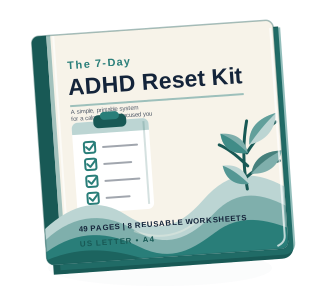
Want the short version? The 7-Day ADHD Reset Kit
Seven days, one small step each day. A printable PDF kit for adults who want their week to feel less like a fight.
PRINTABLE PDF KIT · LIMITED TIME OFFER
Work and Deadlines
A distant deadline can feel unreal. Then it becomes the loudest thing in the room. Meetings, messages, and open tabs make it harder to see the next useful action.
External structure reduces the need to remember. Put the first action beside the deadline. Write meeting follow-ups before closing your notes. Keep active work in one trusted place.
- Name the result. Write what finished work will look like.
- Find the opening move. Choose an action your hands can do.
- Leave a restart note. Record where to begin when you return.
The ADHD at work guide has practical systems for deadlines and follow-ups. For hard starts, try the two-minute rule.
Home, Money and Time
Home tasks repeat without a clear finish line. Shopping, cleaning, post, and bills return after you handle them. When reminders live in several places, each one asks you to search again.
Make the next action easy to see. Keep incoming paper near where you open it. Give regular payments one review point. Place needed items where the action happens.
Useful homes beat perfect storage. A basket by the door may work better than a hidden drawer. A visible note may work better than remembering to check an app.
Time can create similar friction. The present task may feel immediate while the next commitment stays distant. Visible clocks, transition cues, and calendar travel blocks can make the change easier to notice.
Explore money and home systems or read about time blindness for more focused ideas.
Energy and Overwhelm
Keeping everything in mind uses energy. So does recovering from rushed starts and forgotten details. By evening, a simple choice can feel much heavier than it looks.
Reduce choices before the tired moment arrives. Use a short default list for food, clothes, shutdown, or leaving home. Defaults are not strict rules. They are paths you can use without rebuilding the plan.
When the list feels crowded, choose what must stay visible now. Park the rest somewhere trusted. Fewer active items can make follow-through more likely.
Where to Start
Choose one repeated point of friction. Avoid rebuilding your whole life at once. A single landing place for keys may help more than a detailed new system.
Notice what happens before the problem. Is the task hidden, vague, far away, or missing a cue? Change the environment before blaming yourself.
- Pick one place for today's actions.
- Turn a vague task into a visible first move.
- Review what worked without demanding perfection.
Build from the area causing the most daily friction. The routines hub and productivity hub offer simple next steps.
Sources for the general information on this page: CDC (cdc.gov), NIH/NIMH (nimh.nih.gov), Mayo Clinic (mayoclinic.org). Educational information only, not medical advice.