A useful ADHD morning routine starts with one steady anchor. Prepare a few things at night, reduce choices, and make time easy to see. Keep a bare-minimum version ready for hard mornings.
Why Perfect Morning Routines Fall Apart
An influencer routine may look calm and complete. It often includes many steps, choices, and exact times. That plan leaves little room for a bad night or a missing sock.
Each extra step asks you to start again. You must choose, remember, and switch tasks. A small delay can make the whole plan feel lost.
A BETTER TARGET
Build for your hardest normal morning, not your best one. Reliable beats impressive when you need to leave home.
Your routine should bend without breaking. The goal is a smoother exit, not a flawless performance. For more daily systems, visit ADHD routines.
Choose One Anchor Habit
An anchor is one action that starts the next action. Try, “coffee, then clothes.” Coffee already happens, so getting dressed has a clear starting point.
Pick an action that happens most mornings. Attach only one next step. Practice that short link before adding anything else.
 Bathroom, then get dressed.
- Start the kettle, then pack breakfast.
- Put on shoes, then pick up your bag.
Keep your anchor obvious and short. One clear link is easier to repeat than a long checklist. Add another link only when the first feels familiar.
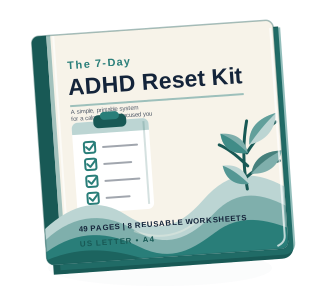
Want the short version? The 7-Day ADHD Reset Kit
Seven days, one small step each day. A printable PDF kit for adults who want their week to feel less like a fight.
PRINTABLE PDF KIT · LIMITED TIME OFFER
Prepare the Night Before
Morning effort gets easier when choices happen earlier. Lay out complete clothes, including socks and shoes. Put your bag beside the door with needed items inside.
Choose breakfast before bed. Place simple food where you will notice it. If you take lunch, pack it and place a note near your bag.
Put your alarm where you must stand to reach it. Keep it close enough to hear. Make the next action visible from that spot.
Remove Morning Decisions
Choices can quietly use time. Keep the same weekday breakfast or a short breakfast menu. Store regular items together, so you do not search each morning.
A basket can replace a wardrobe decision. Fill it with ready outfits that work together. Keep keys, wallet, and passes in one home near the exit.
This is not about making life dull. It protects your attention for the day ahead. Fewer choices mean fewer pauses. The two-minute rule can also help with tiny preparation tasks.
Make Time Visible
Time is hard to use when you cannot see it. Put a clock where delays happen. A bathroom clock can stop a quick wash becoming a long drift.
Set a door timer for the moment you must switch tasks. When it sounds, stop improving the routine. Move to shoes, bag, and the door.
Use timers as cues, not scolding. Name them with an action like “shoes now.” Visible time supports the next move. Read more about everyday time patterns on our time blindness guide.
Use a Bare-Minimum Fallback
Some mornings will fall apart. Decide your smallest useful routine before that happens. Your fallback might be dress, grab food, take your bag, and leave.
Keep a backup breakfast and spare basics near the exit. Skip anything that can wait. The fallback is part of the plan, not a failure.
When you are running late, stop adding tasks. Send a brief message if someone expects you. Take essentials, leave safely, and reset later.
Do not spend the trip judging the morning. Notice what caused the snag after you arrive. Change one thing that evening, then try again.
Small systems are easier to keep. Explore ADHD productivity and ADHD printables for more practical support.